
Cultural Historian • International Lecturer
Steve Babbitt, MA, FRGS
Recent Books


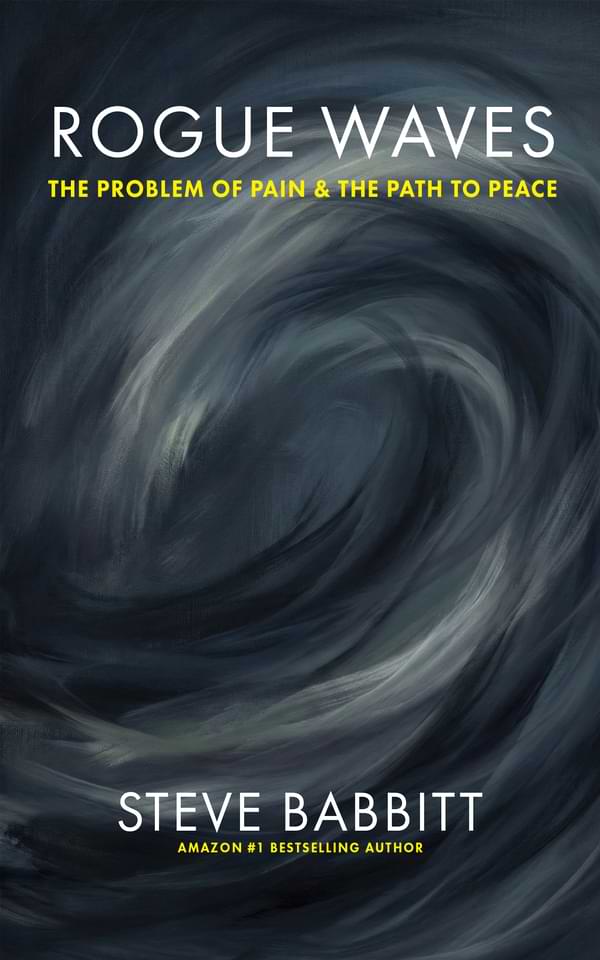
History Still Asks Something of Us
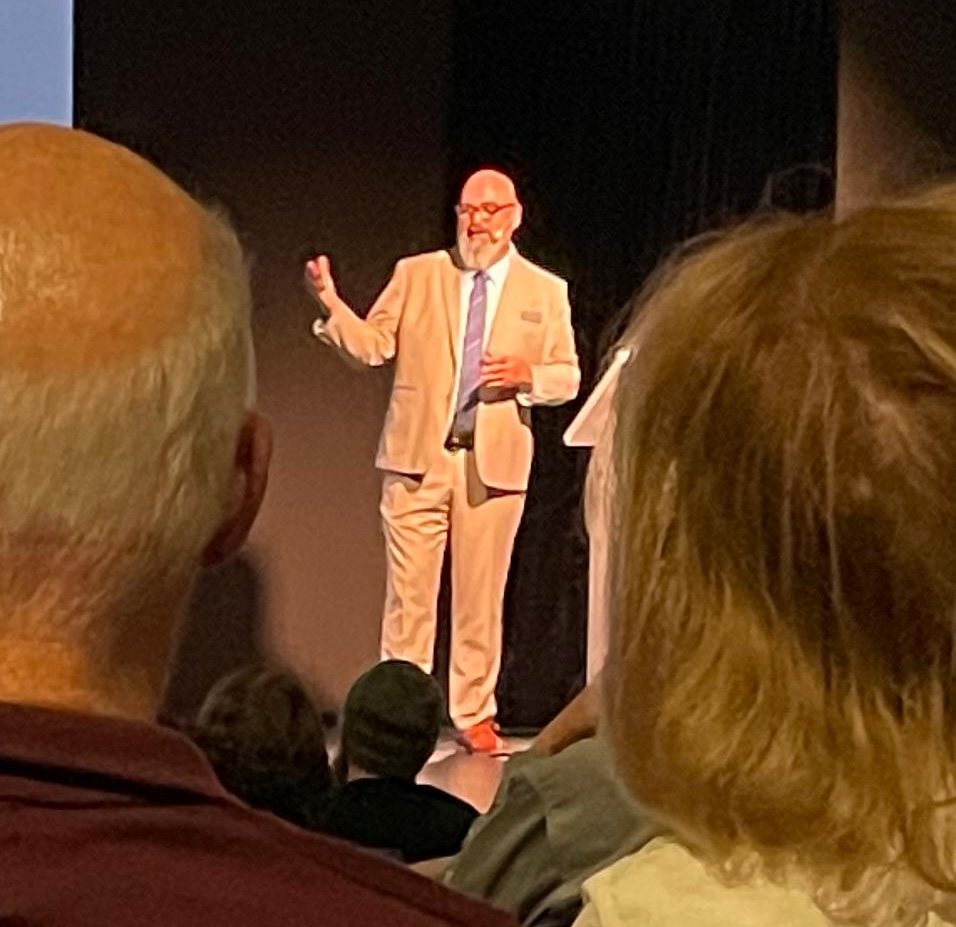
Steve Babbitt is a cultural historian and international lecturer specializing in historical geography, maritime trade networks, and the cultural forces that shaped global civilization. His work explores the intersection of geography, empire, navigation, religion, and cross-cultural exchange across the Mediterranean, Southeast Asia, the Pacific, Australia, and the Americas.
With graduate training in Near Eastern religions and early Christianity and a background in journalism, Steve brings narrative clarity and intellectual depth to complex historical themes. For more than three decades, he has interpreted historical landscapes for public audiences through lectures, writing, and international educational programs.
His approach emphasizes one central idea:
Geography shapes civilization — culture gives it meaning.
Areas of Expertise
Cultural and Historical Geography
Maritime History and Trade Networks
Mediterranean & Late Roman Civilizations
Strategic Chokepoints and Global Commerce
Indigenous Navigation Systems
Cartography and Worldview Formation
Cross-Civilizational Encounter
Public Lectures
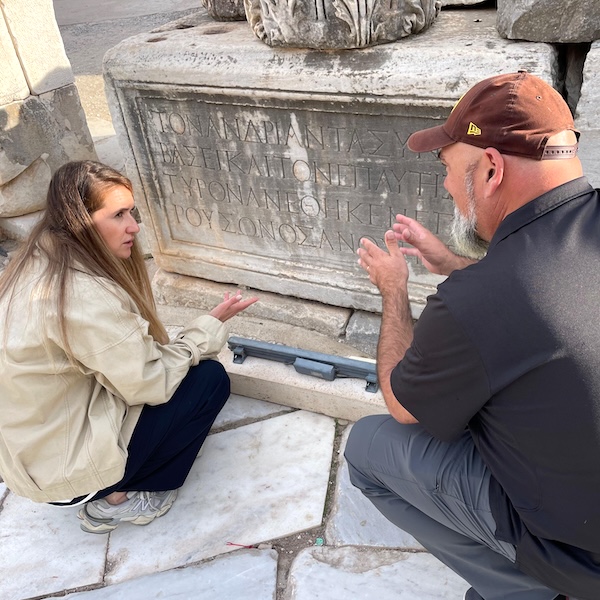
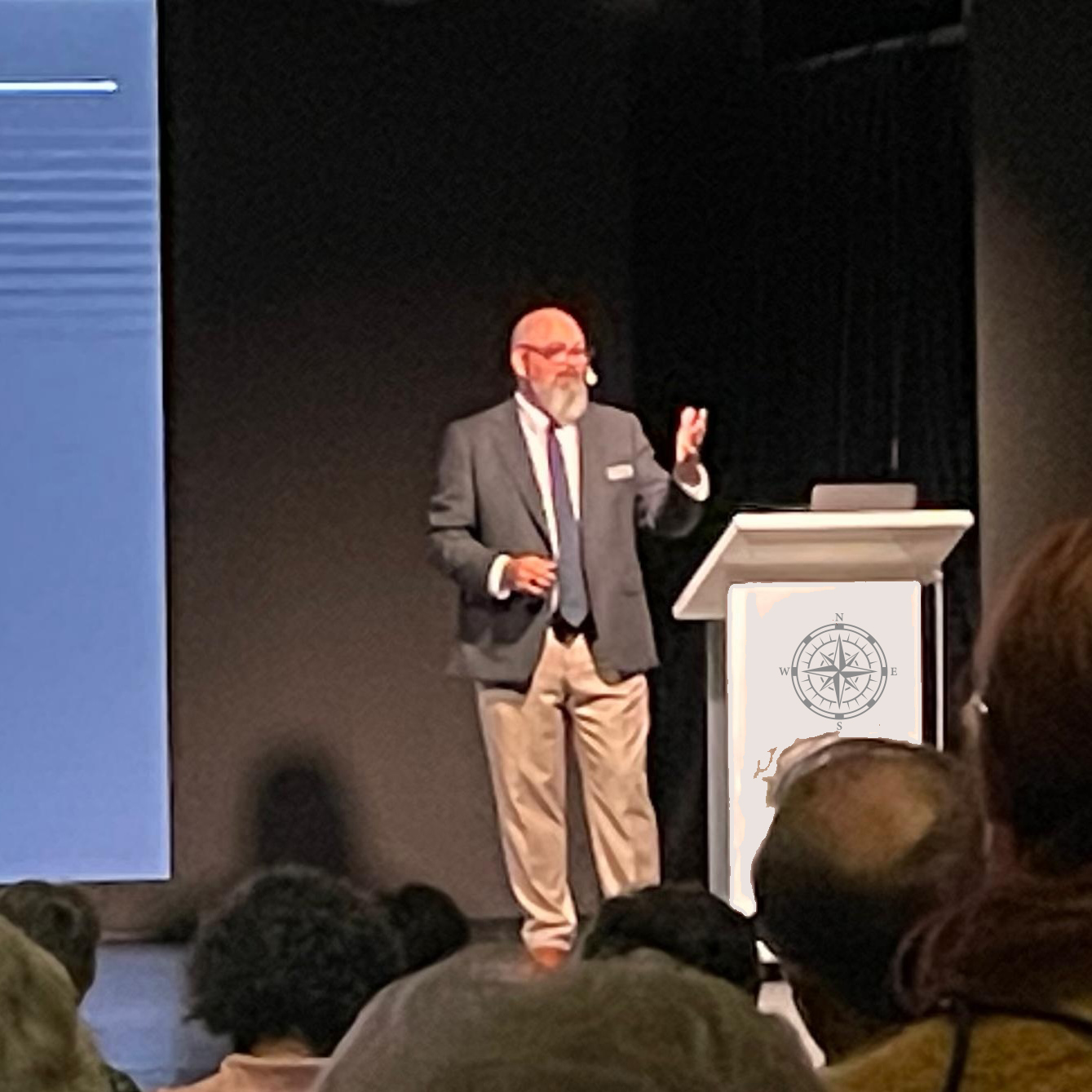
Steve develops and delivers in-depth lectures for international audiences, tailored to regional itineraries and cultural contexts.
Here are just a few recent lectures
The Sea That Made the World
An examination of how Mediterranean maritime networks shaped political power, religion, and cultural exchange.
Strategic Maritime Chokepoints
A comparative study of Gibraltar, Malacca, and Panama and their enduring geopolitical significance.
Venice and the Architecture of Maritime Power
How geographic constraint and institutional innovation produced one of history’s most improbable empires.
The Strait That Runs the World
Singapore’s geographic logic and its role in shaping modern global trade.
Polynesian Navigation
Indigenous Pacific knowledge systems and environmental mastery across the world’s largest ocean.
Cartography and the Political Imagination
How maps shape authority, worldview, and the perception of reality.
LiDAR and Lost Cities
How remote sensing technology is reshaping our understanding of ancient American civilizations.
Question the answer
Current Research Interests
Geography and empire formation
Maritime trade and political power
Cultural crossroads in the Mediterranean and Southeast Asia
Indigenous navigation knowledge systems
Historical cartography and worldview construction